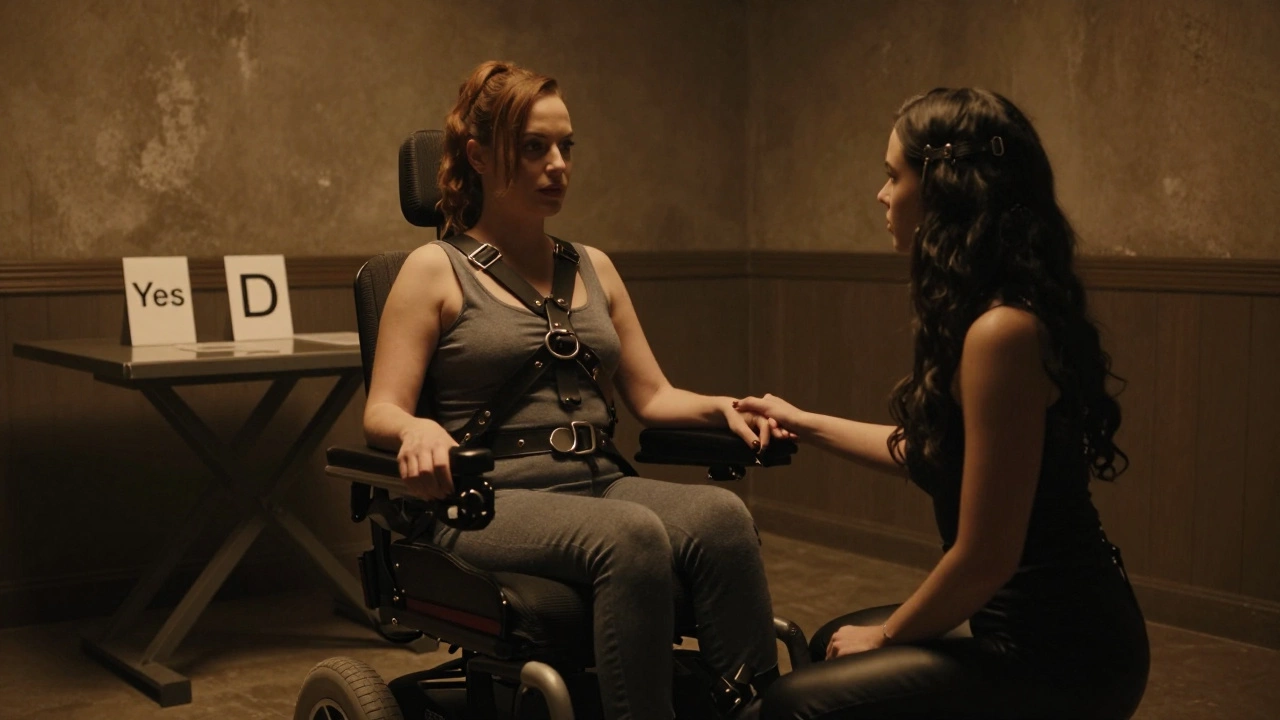
When you step into a session as a dominatrix, you’re not just stepping into a role-you’re stepping into someone’s inner world. For clients with disabilities, that world is often shaped by years of being treated as fragile, invisible, or undeserving of desire. Many have been told their bodies are too broken, too different, too much trouble to be wanted. But in the dungeon, that story ends. Here, power isn’t about strength-it’s about presence. And presence doesn’t care if you walk, roll, or need help to undress.
It’s easy to confuse disability with incapacity. Some people assume that if someone uses a wheelchair, they can’t feel control. Or if someone has limited speech, they can’t give clear consent. That’s not just wrong-it’s dangerous. The truth? Clients with disabilities often know exactly what they want, and they’ve spent years fighting to be heard. One client, paralyzed from the neck down, told me he’d waited 12 years to find someone who looked him in the eye and asked, ‘What do you need tonight?’ Not ‘Can you?’ Not ‘Are you sure?’ Just, ‘What do you need?’ That’s the difference between a transaction and a transformation. euro girls escort london might offer fantasy, but real power comes when someone sees you as whole, not broken.
Consent Isn’t a Form-it’s a Conversation
Consent with clients who have disabilities isn’t about checking a box. It’s not about signing a waiver and hoping for the best. It’s a rhythm. It’s eye contact. It’s pauses. It’s asking, ‘Does this feel right?’ and waiting-really waiting-for the answer. Some clients communicate through gestures. Others use voice-to-text apps. One client with cerebral palsy uses a single blink for yes and two for no. I learned that pattern over three sessions. Now, when I drag a feather down his arm, I watch his eyes. One blink, I stop. Two, I go deeper. No words needed. No pity. Just precision.
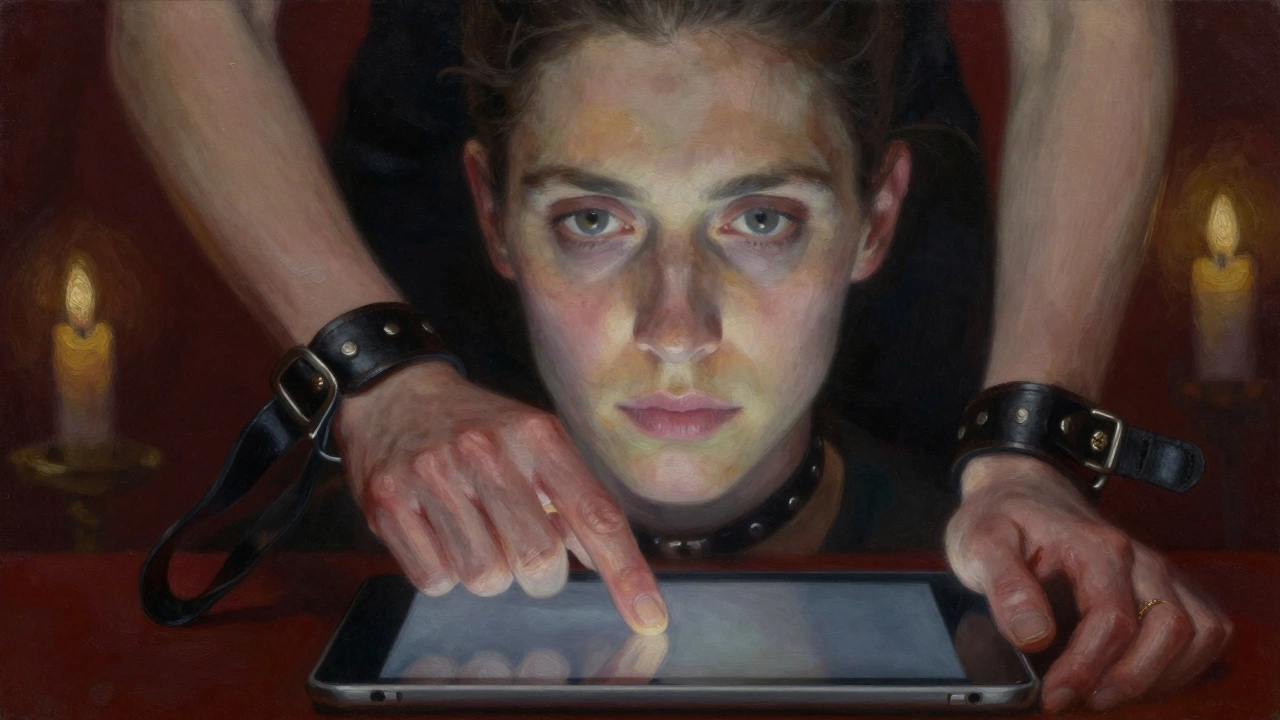
Many dominatrices are trained to read body language. But with disabled clients, you have to relearn it. A flinch might mean pain. Or it might mean pleasure. A tremor isn’t always fear. Sometimes it’s excitement. You learn to read the difference by listening-not just to what’s said, but to what’s held back. I once had a client with locked-in syndrome who communicated through a single finger tap on a tablet. He asked for a leather strap. Not to bind him. To hold his hand. He said, ‘I haven’t held someone’s hand in seven years.’ I didn’t whip him that night. I held his hand. And he cried. Not because he was sad. Because he felt seen.
Power Isn’t About Control-It’s About Agency
People assume dominance means taking control. But for many disabled clients, the real power isn’t in being dominated-it’s in choosing to be dominated. They’ve spent their lives being controlled by doctors, caregivers, insurance forms, and pitying stares. In the dungeon, they get to say: ‘I want to be tied up.’ ‘I want to be called useless.’ ‘I want you to make me beg.’ That’s not submission. That’s rebellion.
I once had a client who used a ventilator. He came in every Tuesday. He never asked for pain. Never asked for humiliation. He asked for silence. He wanted me to sit beside him while he breathed, and just… be there. No talking. No touching. Just presence. He told me, ‘I don’t need you to fix me. I need you to not look away.’ That’s the most powerful thing a dominatrix can offer: the freedom to be exactly who you are, without needing to perform normalcy.
Accessibility Isn’t an Afterthought-it’s the Foundation
If your space isn’t physically accessible, you’re not just excluding people-you’re telling them they don’t belong. Ramps aren’t optional. Wide doorways aren’t a luxury. Adjustable tables aren’t trendy decor-they’re necessities. I had a client who used a power wheelchair with a tilt function. He couldn’t transfer to a regular table. So I installed a hydraulic lift. Cost me $3,200. Worth every cent. He came back for 14 months straight. Said, ‘I didn’t know I could feel this safe in a room with strangers.’
It’s not just about ramps and lifts. It’s about communication tools. I keep a laminated card with simple yes/no symbols on my desk. I have a tablet with text-to-speech software ready. I don’t assume everyone speaks the same way. I don’t assume everyone moves the same way. And I never, ever assume their desires are less intense because their body moves differently.
Myth vs. Reality: What People Get Wrong
Here’s what you hear: ‘Disabled people don’t have sex.’ ‘They’re not interested in BDSM.’ ‘It’s too risky.’
Here’s what’s true: Disabled people have sex more often than you think. They just don’t talk about it because the world tells them they shouldn’t. A 2023 study from the University of Sydney found that 78% of disabled adults who engaged in consensual power play reported higher levels of self-worth and reduced anxiety within three months. Not because they were ‘cured’-but because they were finally allowed to want.
Another myth: ‘It’s too hard to train for.’ Wrong. You don’t need to be a medical expert. You need to be curious. You need to listen. You need to ask, ‘How can I make this work for you?’ Not, ‘Can you do this?’
And yes, there are risks. Infection. Pressure sores. Respiratory distress. But those aren’t reasons to say no. They’re reasons to be prepared. I keep a first-aid kit with pressure-relief pads, a suction device, and a backup oxygen tank. I have a protocol. I’ve trained with a physiotherapist. I don’t wing it. And I never, ever treat a client like a project. They’re not a case study. They’re a person.
It’s Not About Fixing-It’s About Feeling
Some dominatrices try to ‘help’ their disabled clients by making them feel ‘normal.’ That’s the worst thing you can do. Normal is a cage. I don’t want my clients to feel normal. I want them to feel powerful. I want them to feel desired. I want them to feel like their body-exactly as it is-is enough to command attention, to earn obedience, to be worshipped.
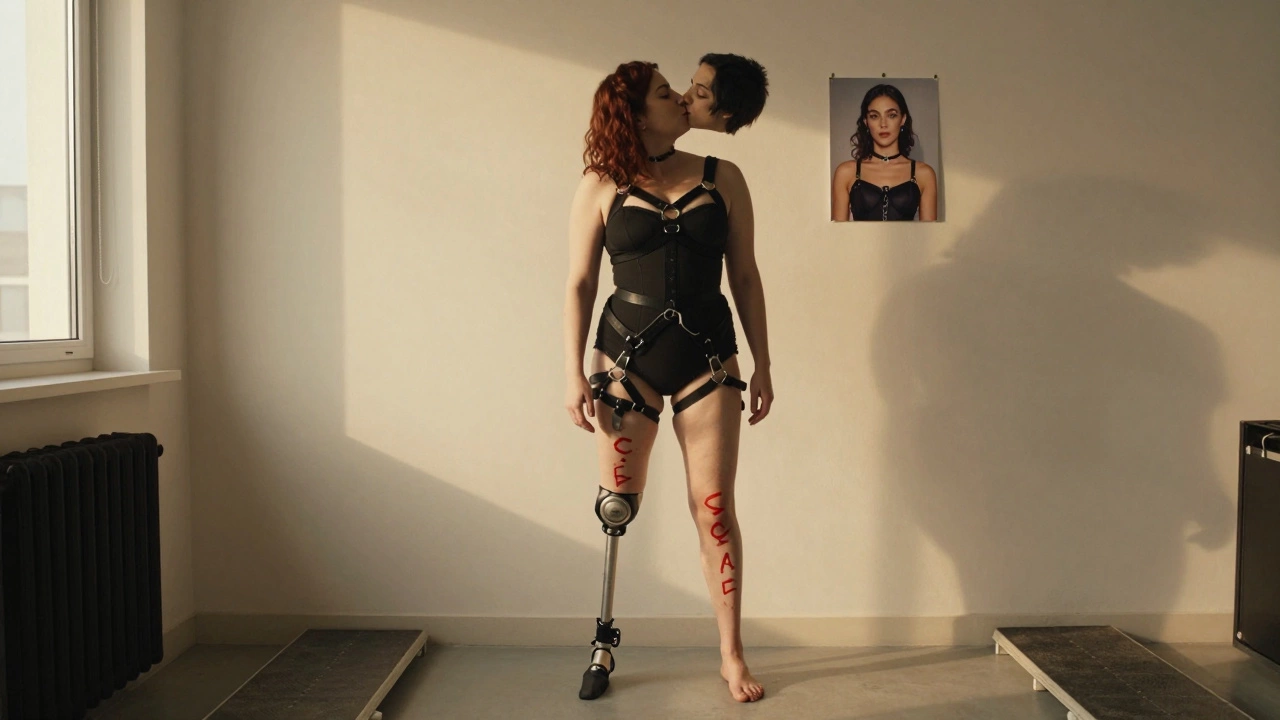
One client, who lost both legs in an accident, told me he used to avoid mirrors. Now, he brings a photo of himself in a harness to every session. ‘This is me,’ he says. ‘Not the man I was. Not the man I wish I was. The man I am.’ I kiss his stump. Not out of pity. Out of reverence. Because that’s where his power lives now.
There’s no grand lesson here. No moral. No redemption arc. Just this: people with disabilities don’t need to be fixed. They need to be felt. And sometimes, the only place they can feel fully-without apology-is in a dungeon.
One of my clients, a non-verbal woman with spinal muscular atrophy, asked me to write her name in red lipstick on her chest. ‘I want to be seen,’ she whispered through her device. I did. And when she looked in the mirror, she smiled. Not because she was beautiful. Because she was known.
That’s what this is. Not fetish. Not fantasy. Just human connection, stripped bare and laid out honestly. You don’t need a perfect body to deserve power. You just need someone willing to see you.
euro girl escort london
euro escort girls london